Service Insights for Orland Builders Inc.
Home Construction Trends: What's Driving the Future of Home Building?
The home construction industry is undergoing rapid transformation. Important trends are surfacing, propelled by innovations in technology and evolving homebuyer expectations. Advanced home technology, green building materials, and versatile designs are driving the movement. With homebuyers focusing on energy conservation and adaptable living spaces, construction professionals must rise to these challenges. These changes spark critical discussions about the evolution of residential design and what it means for local communities. What will the next generation of homes truly look like?
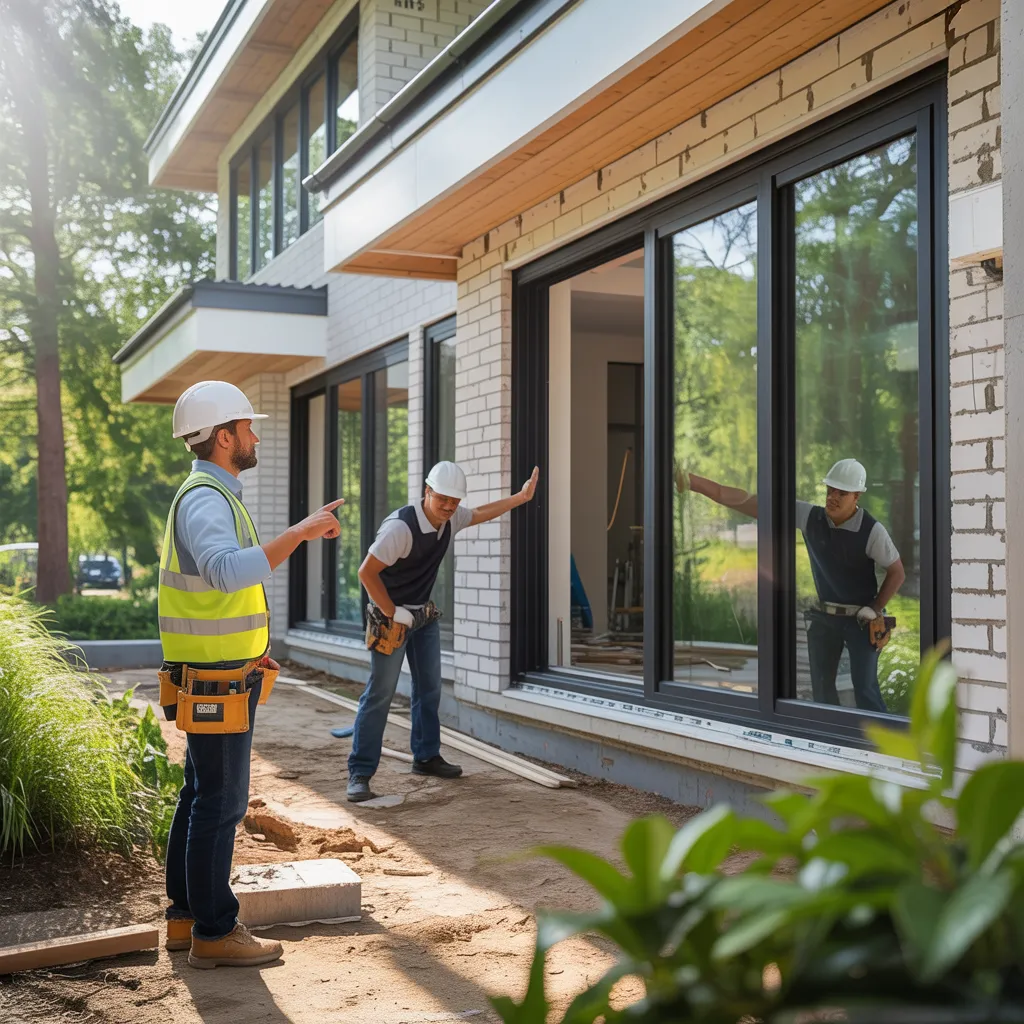
Incorporating Smart Home Technology into Construction
In recent years, a considerable shift has emerged in the construction industry as home builders have begun to integrate smart home technology. This movement illustrates a growing consumer demand for homes fitted with advanced systems that enhance energy efficiency, convenience, and security. Features such as smart thermostats, automated lighting, and integrated security systems are increasingly standard in new builds, enabling homeowners to control their environments remotely through mobile apps.
Builders recognize that implementing smart technology increases the worth of homes but also draws in digitally minded purchasers. The incorporation of Internet of Things (IoT) devices enables smooth interaction between home systems, creating a more unified residential environment. Furthermore, builders are partnering with technology firms to ensure that systems remain intuitive and aligned with future innovations. As the market advances, the integration of smart home technology is positioned to reshape how people live today, making it a vital element for next-generation residential builds.
Eco-Friendly Building Materials in Home Construction Trends
The growing emphasis on smart home technology is matched by an equivalent emphasis on sustainable building materials in home construction. Residential contractors increasingly prioritize eco-friendly options, understanding their impact on reducing environmental impact and improving energy performance. Materials such as reclaimed wood, bamboo, and recycled steel are becoming increasingly sought after, reflecting a transition to resource conservation and sustainability.
In addition, developments in insulation technologies and energy-saving windows play a role in lower energy usage, supporting the goals of eco-minded homeowners. Incorporating green building materials not only addresses compliance standards but also attracts a demographic that prioritizes sustainable practices.
As buyers grow increasingly conscious of their ecological footprint, contractors are adapting by selecting materials that minimize waste and promote healthier living spaces. This trend signifies a broader commitment to sustainability in the construction industry, showing that today's homes can achieve both technological sophistication and environmental harmony.
Creating Adaptable Floor Plans for Contemporary Living
With homeowners increasingly pursuing adaptability in their living spaces, designing flexible floor plans has become crucial in modern construction. Such flexible designs cater to various lifestyles and changing family needs, permitting areas to meet a variety of needs. Open-concept layouts have gained popularity, enabling smooth transitions between living, dining, and kitchen areas, while also empowering homeowners to restructure their spaces whenever necessary.
Adding flexible walls or multipurpose furniture greatly improves flexibility, supporting everything from personal workspaces to guest quarters. The expansion of working from home has further impacted these concepts, prompting contractors to establish purposeful work areas that can readily transition into recreational zones. In addition, storage solutions that enhance practicality without diminishing design integrity are fundamental in these flexible floor plans.
In the end, the growing preference for versatile designs highlights a deeper change in how people live, reinforcing the necessity of homes that are designed to accommodate evolving lifestyles and priorities.
Sustainable Energy and Environmental Certifications
The focus on sustainable home building practices has led to the increased use of green construction materials and advanced home automation. These methods not only reduce environmental impact but also enhance the overall quality of residential environments. As consumers become more environmentally conscious, eco-friendly certifications are becoming more significant in the housing market.
Green Building Materials
As the demand for environmentally friendly building practices keeps growing, sustainable building materials have emerged as an essential element in enhancing energy efficiency and securing green certifications. These materials, including recycled steel, bamboo, and reclaimed wood, play a role in reducing environmental strain and cutting carbon output. Furthermore, innovations in insulation technology and energy-saving windows continue to enhance a structure's overall efficiency. Many builders are now seeking certifications such as LEED and BREEAM, which not only demonstrate their sustainability efforts but also resonate with environmentally aware purchasers. By focusing on green building materials, home constructors can design properties that lessen ecological impact while supporting healthier living conditions. This change not only fulfills compliance obligations but also reflects the principles of an increasing number of home purchasers.
Intelligent Home Solutions
A significant transition toward smart home technologies is transforming the world of green certifications and energy efficiency in residential construction. Such advancements allow homeowners to oversee and regulate energy consumption through connected systems, optimizing their usage patterns. Smart thermostats, lighting systems, and appliances lead to decreased energy inefficiency, considerably lowering utility costs and minimizing environmental impact.
Additionally, numerous smart home innovations are engineered to adhere to sustainability certification benchmarks, such as LEED and Energy Star ratings. This compliance not only enhances a home's resale value but also draws in green-focused buyers. As developers continue to weave smart solutions into their projects, the demand for sustainable living solutions continues to increase, forging a greener path forward in residential construction.
Multi-Generational Living Spaces: Designing for Everyone
As multi-generational living becomes increasingly popular, residential designs are adapting to meet the needs of diverse families. Adaptable floor plans offer the versatility required, while dedicated retreat spaces provide personal sanctuary for each family member. Furthermore, common shared spaces encourage connection and cooperation, improving the shared living environment across all age groups.
Versatile Floor Plans
Flexible floor plans are growing in importance in modern home design, particularly for accommodating multi-generational living. These adaptable layouts provide residents with multifunctional environments that shift to satisfy the shifting demands of family life. By including amenities such as open-plan zones, flexible walls, and versatile spaces, families can design spaces that encourage connection while preserving personal space. Such adaptability accommodates diverse ways of living, permitting family members to share amenities without diminishing personal well-being. Additionally, the rise in remote work has heightened the demand for dedicated workspaces within these homes. As source builders embrace these trends, the priority continues to be crafting homes that address the broad spectrum of family needs, guaranteeing that each individual finds an ideal space to flourish.
Exclusive Retreat Zones
Creating private retreat areas within multi-generational homes fosters a harmonious balance between communal living spaces and individual privacy. These carefully allocated zones cater to the wide range of needs of household residents, offering a refuge for unwinding or concentrated work. Carefully planned, these areas often include features such as intimate reading spaces, dedicated work areas, or calm open-air retreats, encouraging a sense of personal freedom. Residential construction professionals are increasingly incorporating sound dampening solutions and versatile design configurations to ensure personal comfort and privacy. By focusing on these private retreats, families can strengthen their bonds while honoring every individual's privacy requirements. Above all, these architectural choices underscore a expanding appreciation of the critical role of emotional health in multigenerational household settings.
Shared Communal Spaces
The design of these areas prioritizes functionality and accessibility, addressing the diverse needs of all generations. Integrating flexible furniture and modern technology can enhance usability, making it easier for all members to take part. As more families embrace this living arrangement, construction professionals are focusing more on collaborative shared spaces, recognizing their importance in creating harmonious living environments that strengthen bonds while preserving personal autonomy.
How Urbanization Is Transforming Home Design?
How is contemporary home design influenced by urbanization? Urbanization drives a shift towards smaller, multifunctional living spaces, demonstrating the demand for making the most of limited urban space. As cities grow, houses are commonly built to make the most of vertical space, integrating elements such as lofted areas and built-in storage solutions. This shift places a premium on functionality, ensuring that every square foot serves a purpose.
Furthermore, urban environments encourage the integration of environmentally responsible materials and efficient energy solutions, as homebuyers consistently demand sustainable alternatives. The growing focus on community also shapes home planning, driving the rise of mixed-use properties that blend residential and commercial spaces. Open-air living zones, such as terraces and rooftop green spaces, are emerging as vital features, providing green spaces for urban occupants. Overall, city growth demands innovative design solutions that address the changing needs of urban inhabitants while championing green living and neighborhood cohesion.
Visual Trends Transforming Modern Residential Construction
What design trends are influencing contemporary home building today? Modern home designs are placing greater emphasis on minimalism, combining functionality with simplicity. Crisp lines, expansive open spaces, and neutral color schemes prevail, fostering a feeling of calm and openness. Moreover, the use of organic materials, like wood and stone, nurtures a relationship with the natural world, highlighting a rising appreciation for sustainability and eco-conscious living.
Architectural elements like oversized windows and green roofs are increasingly popular, allowing for abundant natural light and improving energy performance. Additionally, the inclusion of advanced home automation complements contemporary style movements, combining beauty with innovative functionality.
In city environments, mixed-use spaces are on the rise, merging housing with retail and entertainment districts, fostering dynamic neighborhoods. In the end, these design movements not only reshape the look of residences but also fulfill everyday functional requirements, paving the way for modern living that is both stylish and practical.
Questions We Get Asked Often
What Impact Are Home Builder Trends Having on Property Values?
Home builder trends significantly impact real estate values by enhancing desirability through modern designs, energy efficiency, and smart technologies. As appetite for advanced home features increases, residences that embrace these advancements often benefit from rising property valuations.
How Do Government Regulations Influence Home Construction Trends?
Government regulations notably influence home construction trends by establishing safety standards, zoning laws, and sustainability requirements. These regulations can affect design decisions, material usage, and ultimately affect the market trends and property values in the field.
How Is the Labor Shortage Affecting Home Building Projects?
The lack of available labor substantially slows home building projects, raising expenses and reducing the pool of skilled tradespeople. This shortage pushes builders to find new solutions by implementing innovative construction methods and pursuing new labor resources to satisfy growing demand.
What Financing Choices Are Available for New Home Construction?
Various financing options for new home construction include construction-to-permanent loans, conventional loans, FHA loans, VA loans, and personal loans. Each option offers unique benefits, catering to different buyer needs and financial situations.
How Do Regional Differences Shape Home Builder Trends?
Residential construction trends differ significantly by locality, shaped by regional economies, weather conditions, and cultural influences. Metropolitan regions tend to focus on eco-friendly designs and high-density living, while suburban and rural areas often emphasize larger lots and classic architectural styles.